-
Coyote Walk Day Two
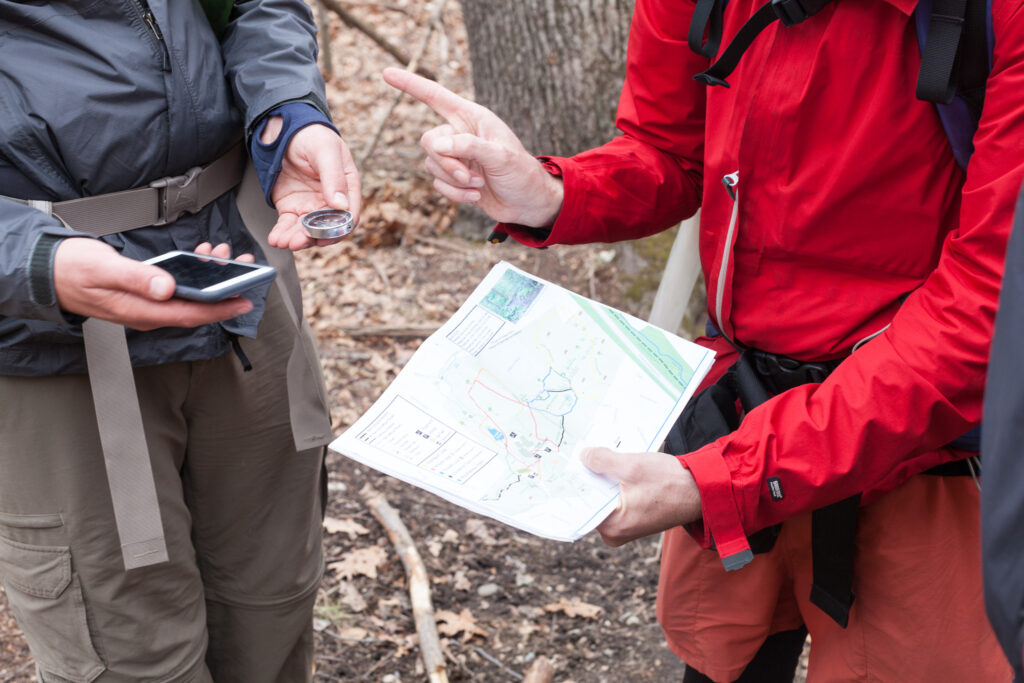
The second day of a 45 mile walk starting Mount Saint Mary College and ending at The Irvington Woods.
-
Coyote Walk Day One
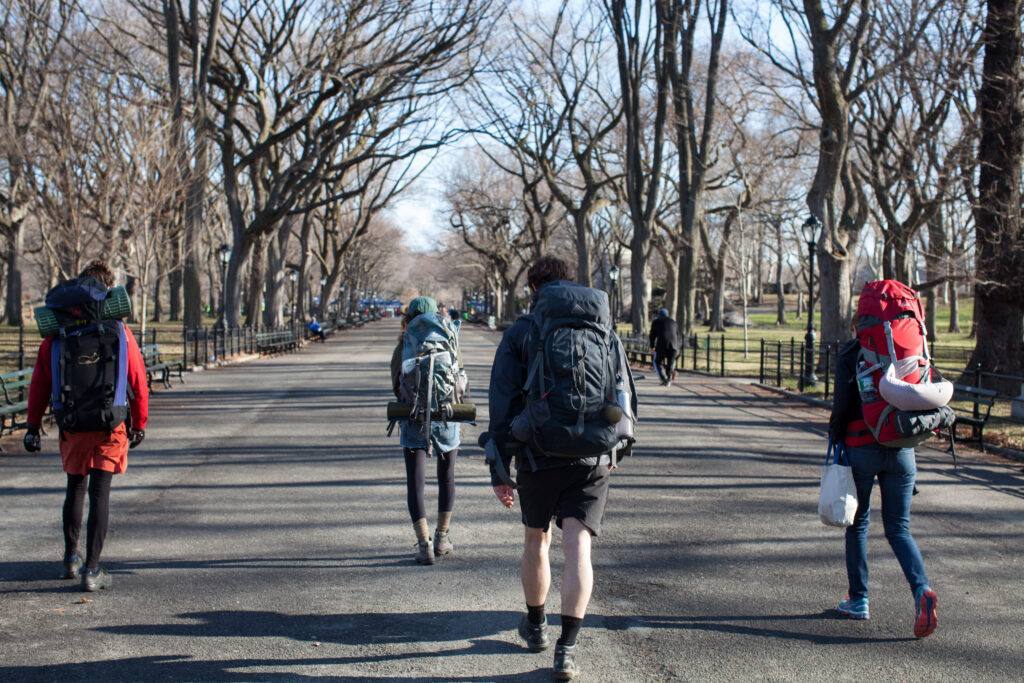
The first day of a 45 mile walk starting from Central Park and ending at Mount Saint Mary College.
-
Neil Freeman interviewed about his Electoral College Reform map
You may have seen Neil’s map before, where each of the US’s 50 states are redrawn to balance for population. It’s nice to see his project’s motivating ideas laid out like they are in this Paris Review interview:
I think that the biggest cultural change would be with the profusion of city-states. Many states overrepresent rural areas when it comes to divvying up funding for infrastructure projects and other spending. The alignment of metro areas and states would mean that decision-making power in land use and transportation would shift away from rural areas, which would probably mean less sprawl and more livable cities.
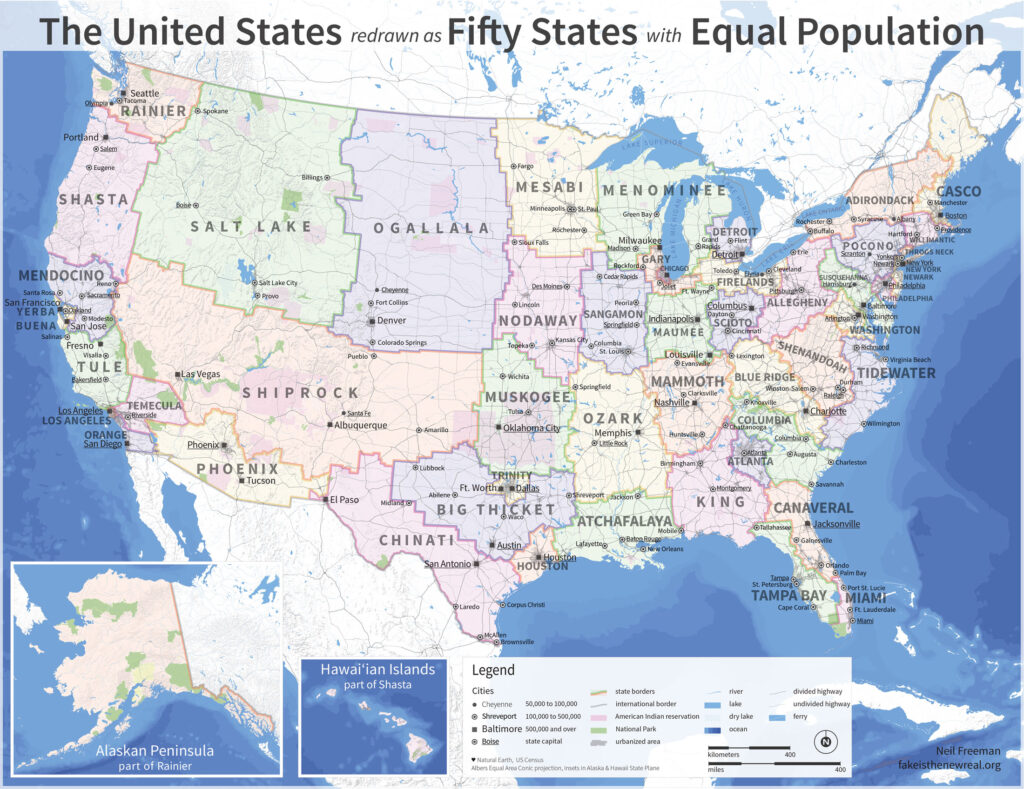
See also: Neil’s 50 states and 50 metros
The fifty largest metro areas, disaggregated from their states. Each has been scaled and sorted according to population.
-
Occupy.here at SXSW 2013
Here’s my presentation slide deck from my panel at SXSW this year, “And What of Liberty? Networks & Freedom”.
-
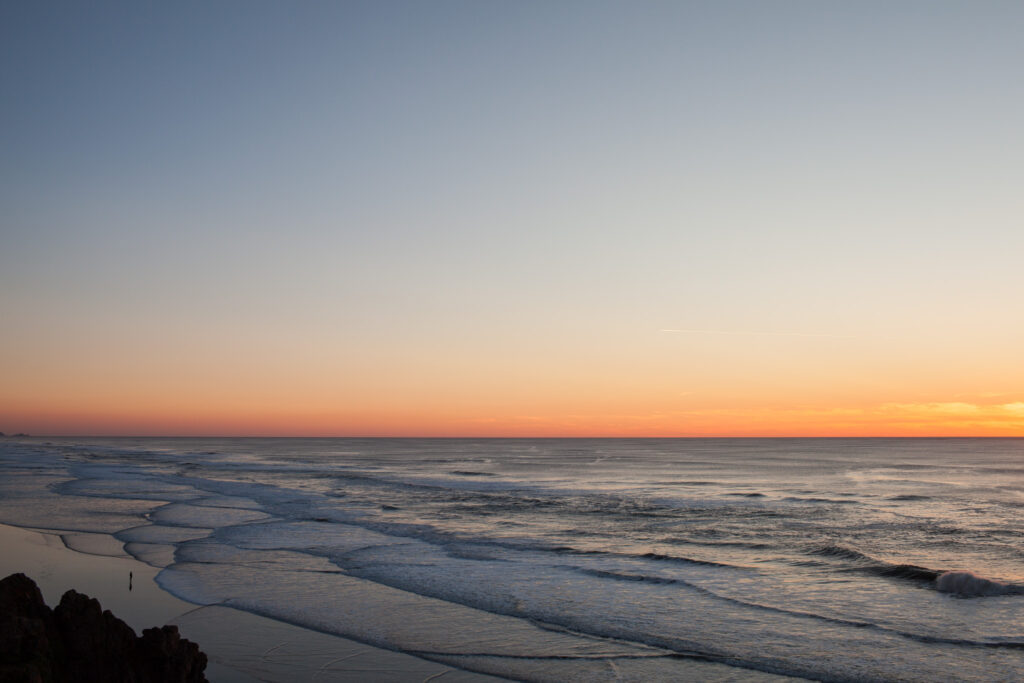
First sunset of 2013
-
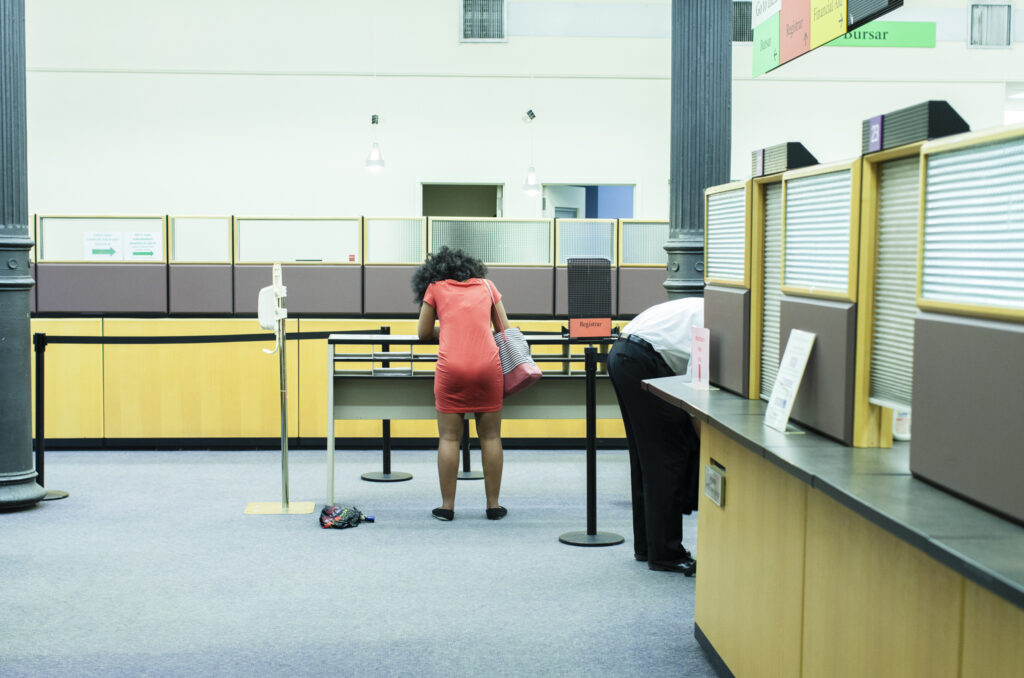
Financial Aid
-
Free Cooper Union
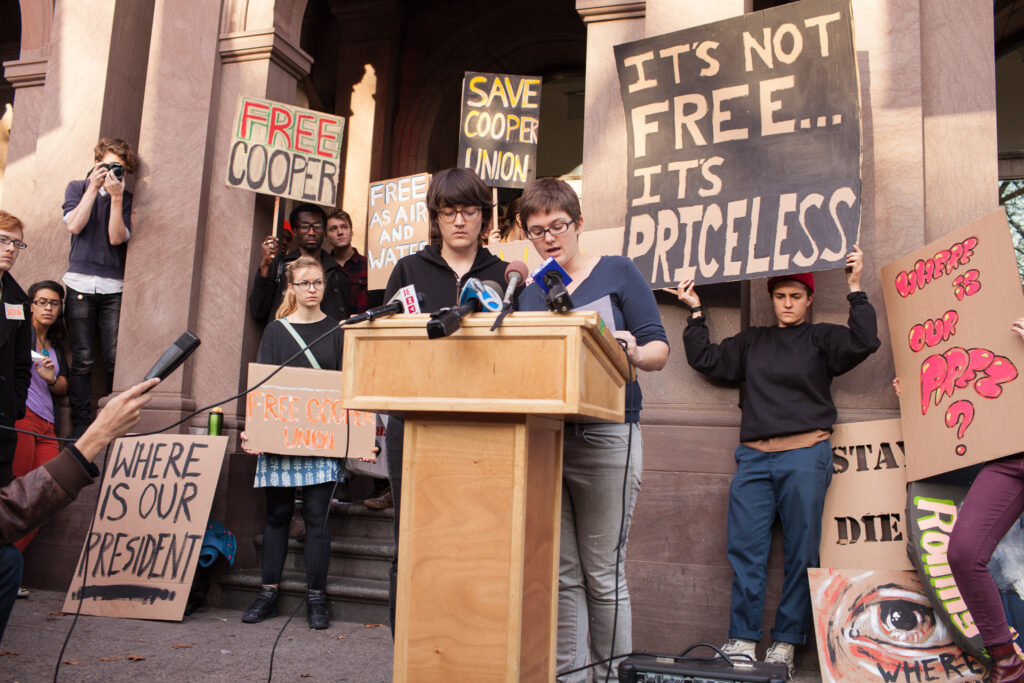
Photos from the Free Cooper Union press conference earlier this week.
-
Grassroots mapping at the Gowanus
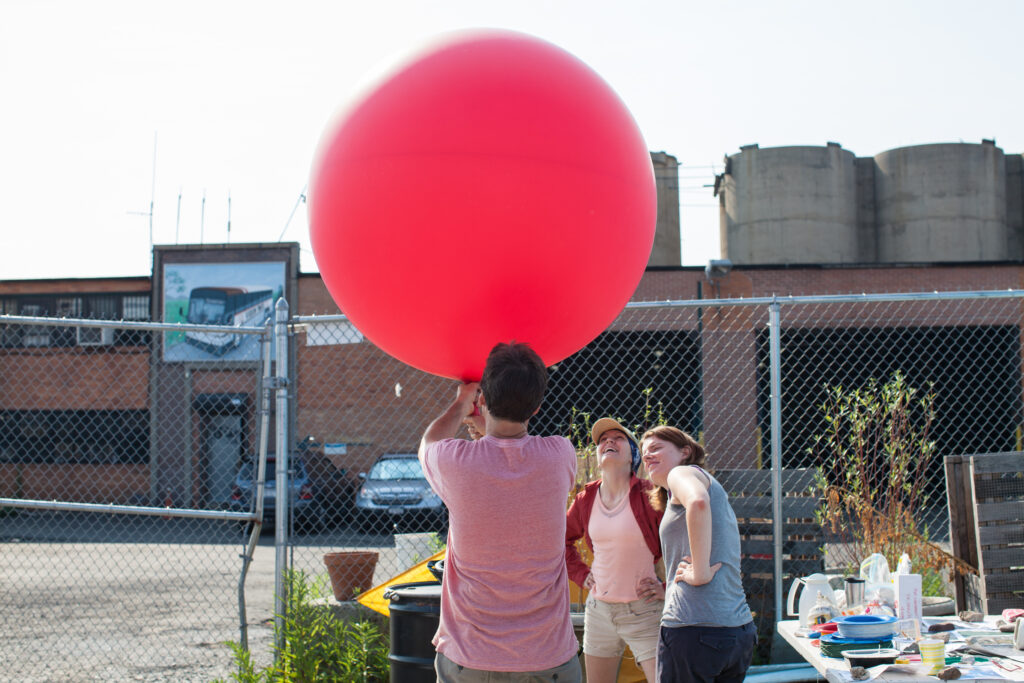
I helped Eymund Diegel, et al. from The Public Laboratory do some grassroots mapping at the Gowanus Canal.
-
Beefra portrait

-
Wedding
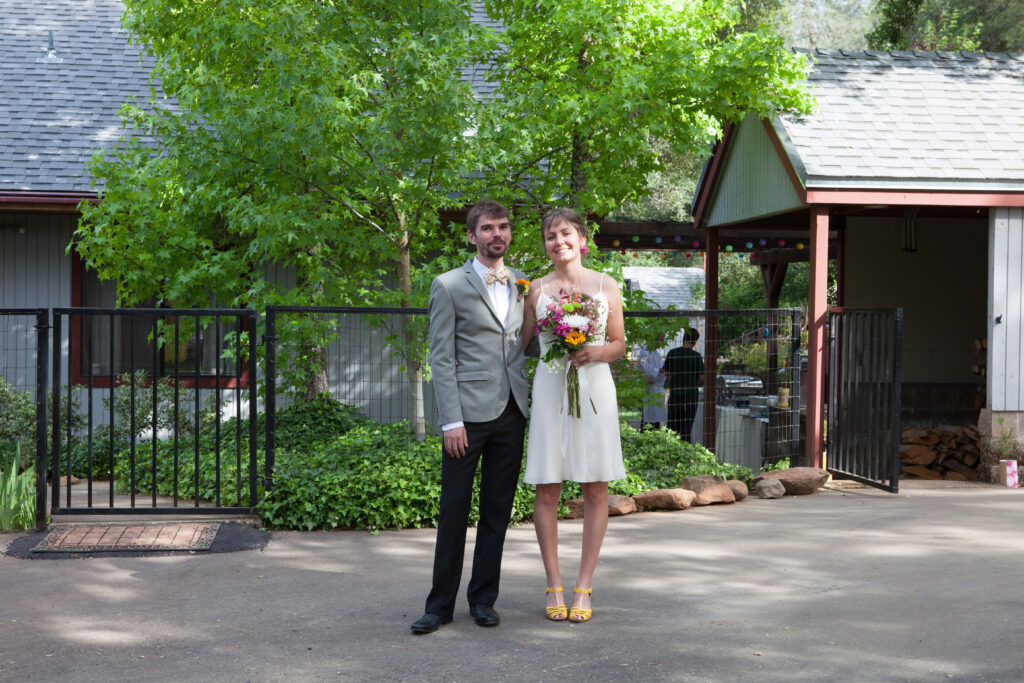
Ellie and I got married! We planted a tree as part of the ceremony and had a lovely time with friends and family.